If you’ve reached our blog, then chances are you know how popular Surrey is when it comes to choosing somewhere to live. There are a variety of factors that contribute to that, one of which is how much history and culture lies in the landscapes of the leafy county.
One would be forgiven for thinking that all the tales of Henry VIII, the Roman roads and Lewis Carroll’s writing endeavours were plucked from the pages of a novel. However, here we explore how fun facts surrounding those mentioned above, along with so many other people and places, make Surrey so very rich with history.
The Tudor Connection
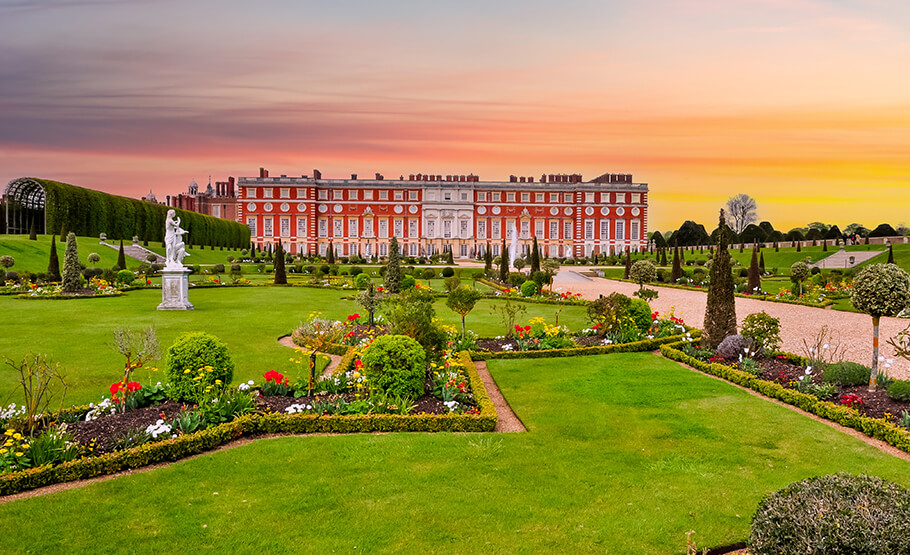
It would be hard to find a county with stronger ties to The Tudors than Surrey. A quick Google search will reveal that the reason behind this is Henry VIII’s passion for building and hunting near London. This lent itself to Surrey being the centre of leisurely activities during the Tudor period, with palaces such as Hampton Court, Richmond and Oatlands being the top spots for royal entertainment.
There are several Surrey sites that are usually first to come to mind when thinking about The Tudors in Surrey, most of which are listed above. However, lesser-known places were part of some historical moments too. For example, when Henry VIII married Anne Boleyn and broke away from Rome, he headed to West Horsley Place where he was welcome by his family, The Courtenays, for an event full of feasts, music and hunting.
Of course, alongside the Kings and Queens of the time, were the people who worked tirelessly to create such historical sites. Thomas Wolsey was one such person, who desperately wanted to live in Esher while he oversaw work at Hampton Court Palace, having bought the site in 1514 and starting construction a year later. This led to his purchase of Esher Palace, with one of its finest features being the gatehouse, built by Bishop Wayneflete in the fifteenth century, and the only feature still standing today.
Many of Surrey’s towns grew during Tudor days, and some of the buildings can be seen today in places such as Weybridge, Guildford and Dorking, not to mention the likes of East Molesey and Hampton Court, home to the palace and original Tudor churches.
Guildford Castle and Grounds
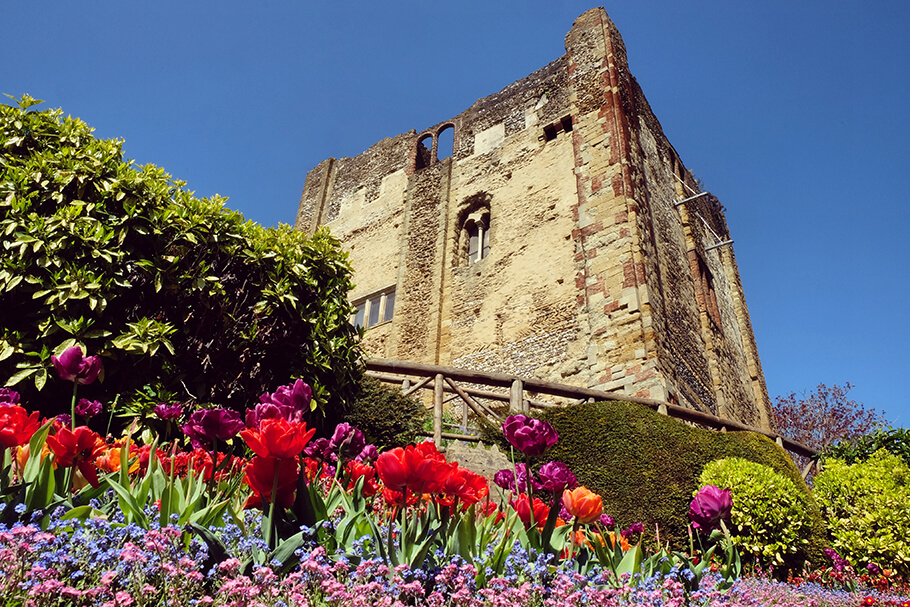
If you’re familiar with the town of Guildford, then you’re also likely to be familiar with the castle and the grounds. The latter is home to a bold and beautiful array of floral displays, open to visitors every day from 8am to dusk. The life-size statue of Alice Through the Looking Glass makes for another attraction here, as does the bowling green and bandstand, host to many a musical concert.
The castle itself is quite amazing. Placed at the entrance is a model of how it might have looked in 1300. Since then, it’s evolved in to the site we see today, with visitors able to take themselves on that journey thanks to the informative displays throughout. The first floor has been preserved so it can be viewed exactly as it would have been back in the day. The top of the castle (accessed via a very windy staircase) is the place to be if you want to take in some of the most breathtaking views the Surrey Hills have to offer.
The Silent Pool, Albury
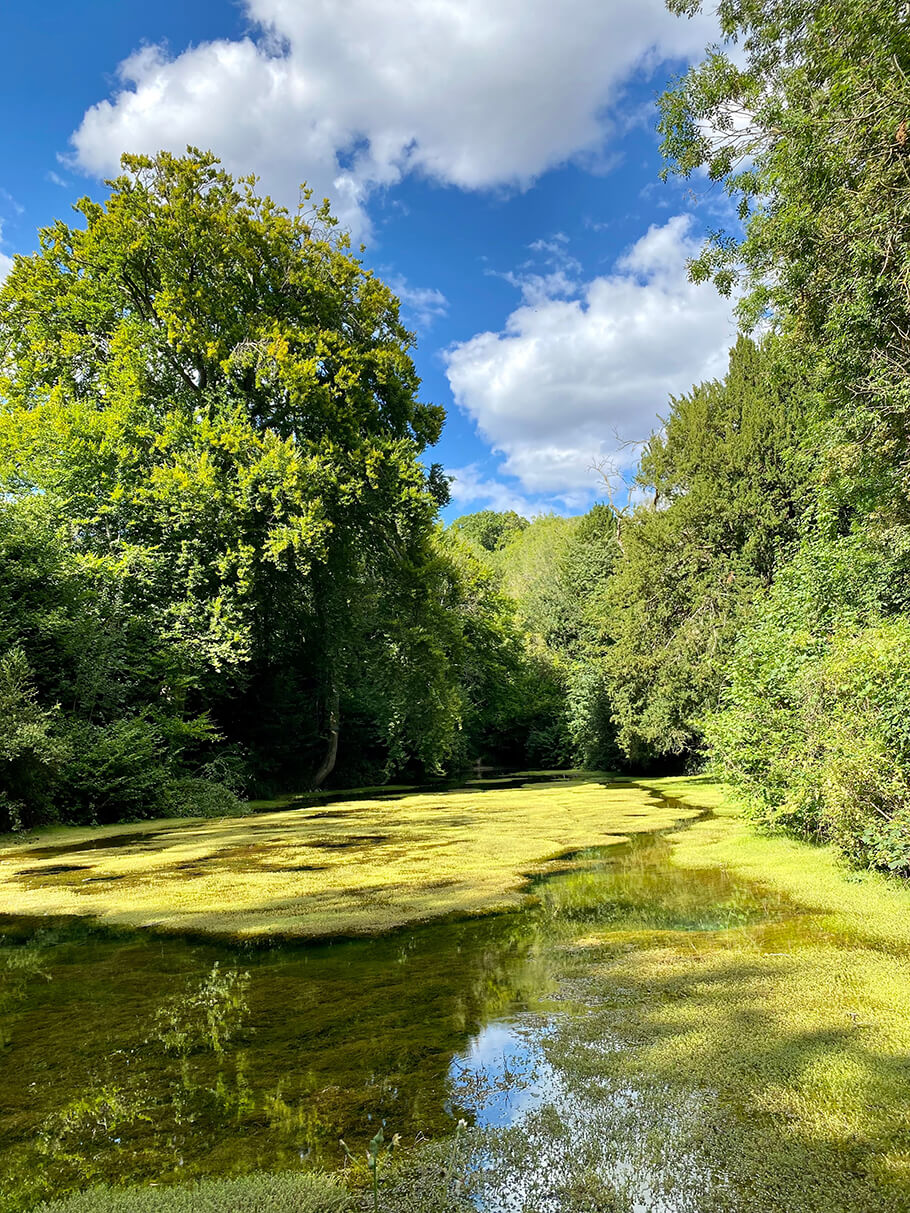
The first thing that comes to mind when we say the words ‘Silent Pool’ may well be a cold, crisp alcoholic beverage, thanks to the popular brand of gin. Though that certainly is a modern feature of Surrey, The Silent Pool itself is a spring-fed lake near Albury and a historic gem in the heart of the Surrey landscape. Add to this the fact it has stood the test of time, remaining one of nature’s landmarks, we couldn’t miss it from our list!
Parts of the pool date back to 1662 and it was likely an old chalk pit. Many will have heard the spooky stories surrounding the site, connected to the legend that a woman drowned there and that her ghost now haunts the pool.
Whether or not you buy in to the ghostly story, there’s no denying that there is somewhat of an eerie stillness when gazing out over the water. There is no doubt at all that the area is steeped in history and quite unique.
Godalming – The First Place in the World to Get Public Electricity
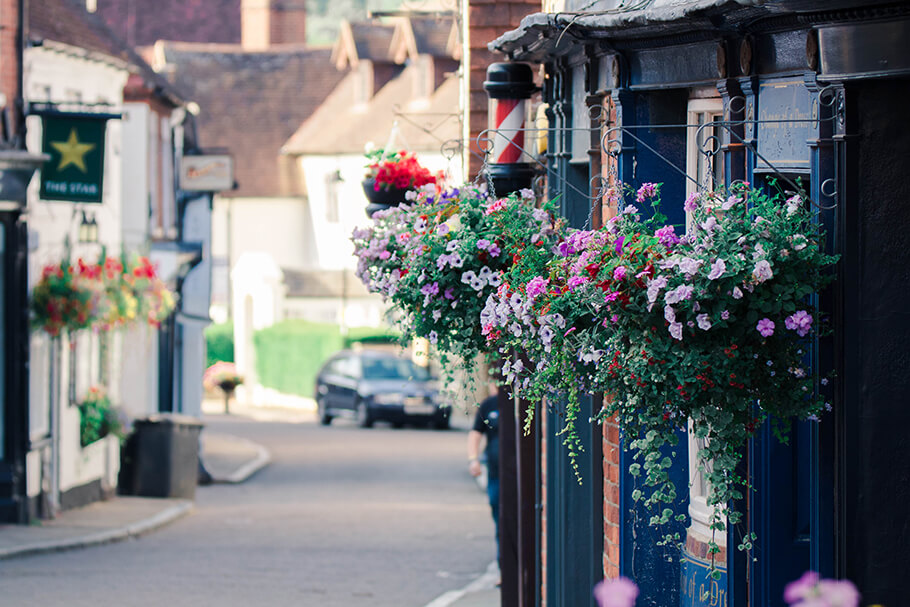
In 1881, our much loved Surrey town, Godalming, became home to the country’s (and some say the World’s) first supply of public electricity. It might come as a surprise to think of it as an innovator in the world of modern day living, but Godalming pioneered a system that the world followed.
When the local gas contract came to an end in the late 1800s and with gas prices rising, the town authorities in Godalming decided a better way was needed. This led to the creation of a hydropower solution. Powered by The River Wey, that ran through Godalming, a waterwheel was connected to a Siemans alternator, generating electricity.
At the time, the initiative was very much experimental. This led to inevitable issues such as inconsistency in power when the river’s water levels were low. Whilst the town did eventually have to revert to gas, it was thanks to its determination and innovation that the country and, arguably the world, followed suit. For example, it wasn’t long after this that London provided electric lighting to its streets and homes. Godalming however, had to wait eighteen years until it saw electricity again, with many years spent on investigating the most economical and practical ways to reintroduce it.